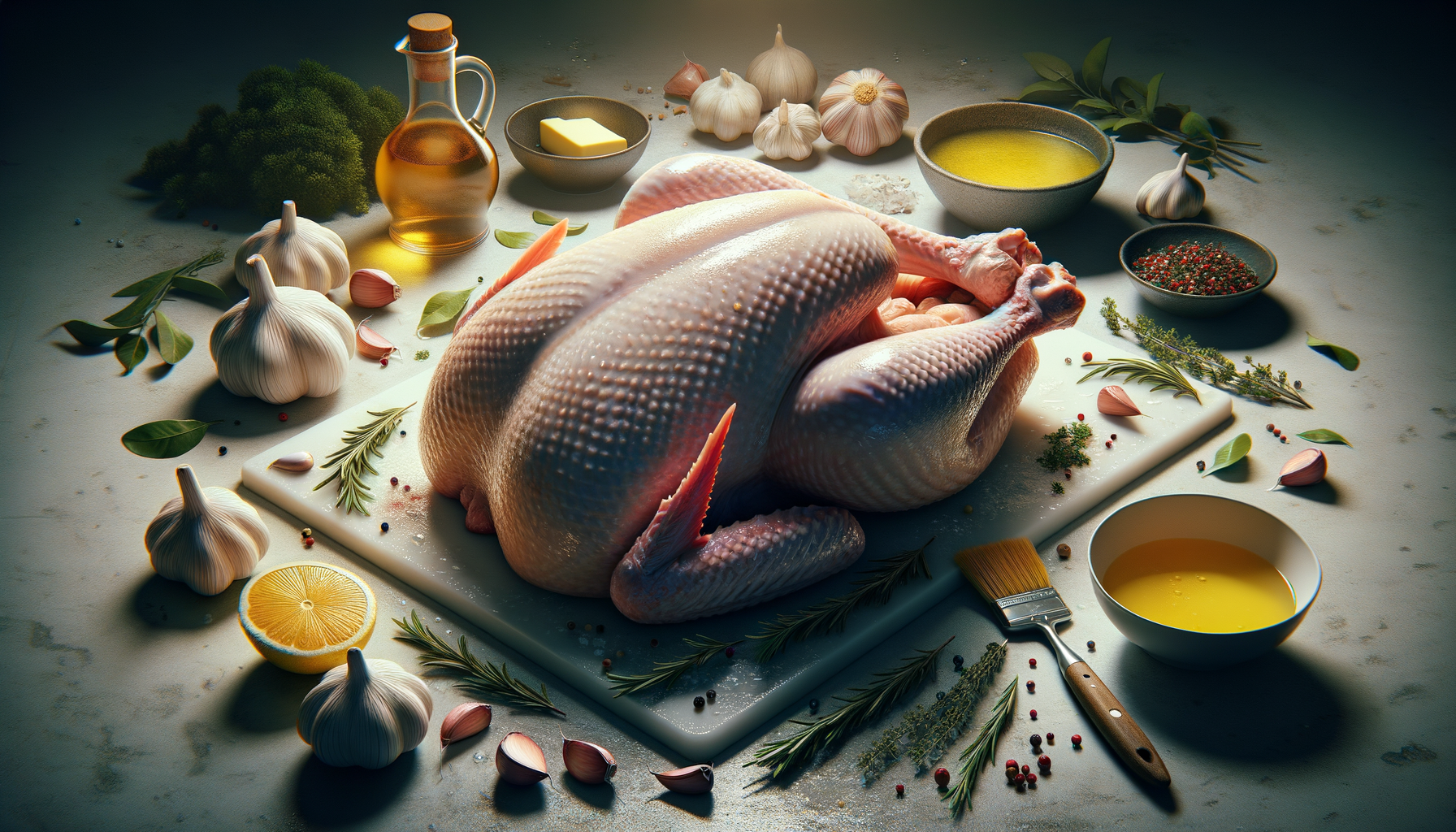
Wild game turkey smoking combines hunting tradition with culinary craft. Wild turkeys differ significantly from their domestic counterparts, offering leaner meat with more pronounced flavor profiles. This characteristic makes them particularly suitable for smoking, a cooking method that enhances their natural taste while addressing the challenge of maintaining moisture in lean game meat.
The smoking process involves careful selection of appropriate wood types, precise temperature control, and specific preparation techniques to optimize the wild turkey’s inherent qualities. When properly executed, smoking preserves the distinctive character of wild game while creating a tender, flavorful result that showcases sustainable food practices. This cooking approach represents both a practical method for preparing wild game and a connection to traditional food procurement and preparation methods.
The techniques for selecting, preparing, and smoking wild turkey require attention to the specific properties of game meat to achieve optimal results.
Key Takeaways
- Selecting and preparing the right wild game turkey is crucial for a successful smoked dish.
- Choosing appropriate wood types enhances the flavor during the smoking process.
- Proper seasoning and marinating significantly improve the turkey’s taste and tenderness.
- Monitoring temperature and cooking time ensures the turkey is smoked perfectly and safely.
- Resting the turkey before carving and serving enhances juiciness and flavor retention.
Selecting the Perfect Wild Game Turkey
Choosing the right wild turkey is crucial to achieving a delicious smoked dish. When I head out into the woods, I look for a bird that is healthy and robust. Wild turkeys are often more active than their farm-raised counterparts, which contributes to their firmer texture and richer flavor.
I’ve learned to pay attention to their plumage and overall body condition; a well-feathered bird with a good weight is usually a sign of a healthy turkey. Once I’ve made my selection, I take great care in processing the bird. Field dressing is an essential step that should be done promptly to ensure the meat remains fresh.
I remember my first time field dressing a turkey; it was a bit daunting, but with practice, it became second nature. The key is to handle the bird gently and keep everything clean to preserve the quality of the meat. After all, the journey from field to table begins with a well-chosen turkey. For a perfect holiday feast, Shop the Best Turkey Roasters on Amazon to ensure your turkey is cooked to perfection.
Preparing the Turkey for Smoking
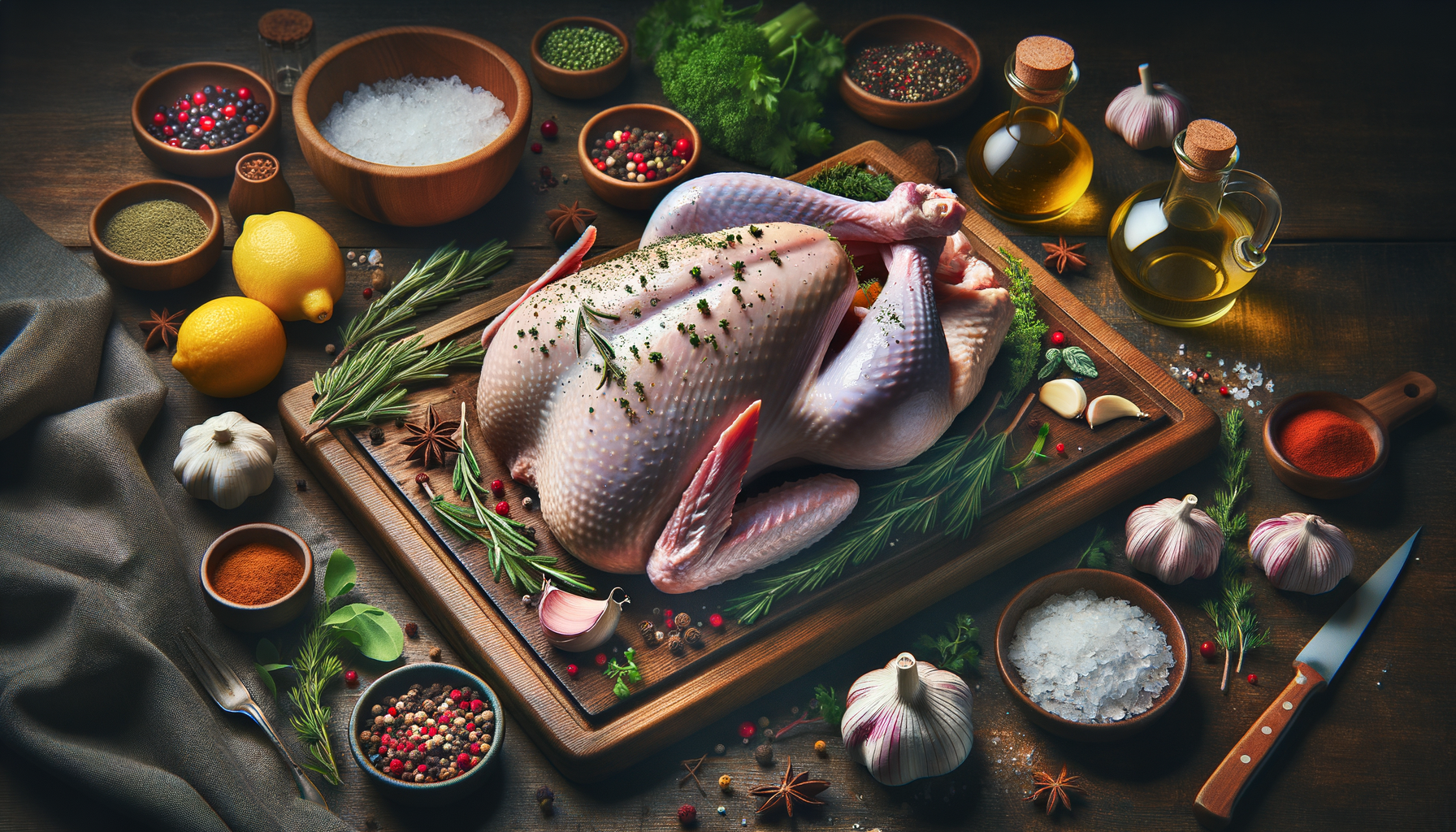
Once I have my wild turkey ready, the next step is preparation. Unlike domestic turkeys, wild turkeys can have a stronger flavor profile due to their varied diet of nuts, seeds, and insects. To ensure that the meat remains moist during smoking, I always brine my turkey beforehand.
Brining not only adds flavor but also helps to retain moisture during the cooking process. I typically use a simple brine solution made from water, salt, sugar, and a few herbs and spices. My favorite combination includes garlic, thyme, and black peppercorns.
After submerging the turkey in the brine for at least 12 hours—sometimes even up to 24—I rinse it thoroughly and pat it dry. This step is crucial because it helps to create a beautiful crust when smoking. The anticipation builds as I prepare for the next stages of seasoning and smoking.
Choosing the Right Wood for Smoking
The choice of wood for smoking can significantly impact the flavor of your wild turkey. Over the years, I’ve experimented with various types of wood, each imparting its unique characteristics to the meat. For wild turkey, I often gravitate towards fruitwoods like apple or cherry because they provide a mild sweetness that complements the rich flavor of the bird without overpowering it.
I remember one memorable Thanksgiving when I used hickory wood for smoking my wild turkey. While hickory can be quite strong, I balanced it with some applewood chips to create a harmonious blend. The result was a beautifully smoked turkey that had a delightful depth of flavor—smoky yet subtly sweet.
It’s all about finding that perfect balance that enhances rather than masks the natural taste of the meat.
Seasoning and Marinating the Turkey
After brining, it’s time to season my turkey. This is where I get creative and let my passion for flavors shine through. I often prepare a dry rub using a mix of spices such as paprika, garlic powder, onion powder, and black pepper.
Sometimes, I’ll add a touch of cayenne for a little kick or some brown sugar for sweetness. The key is to apply the rub generously all over the bird, ensuring every nook and cranny is coated. In addition to dry rubs, marinating is another technique I love to employ.
A marinade made from olive oil, citrus juice, and fresh herbs can infuse the meat with incredible flavor while also helping to tenderize it further. I usually let my turkey marinate for several hours or even overnight in the refrigerator before smoking it. This step not only enhances the taste but also adds an extra layer of moisture that is essential for achieving that perfect smoked texture.
Preparing the Smoker for Cooking
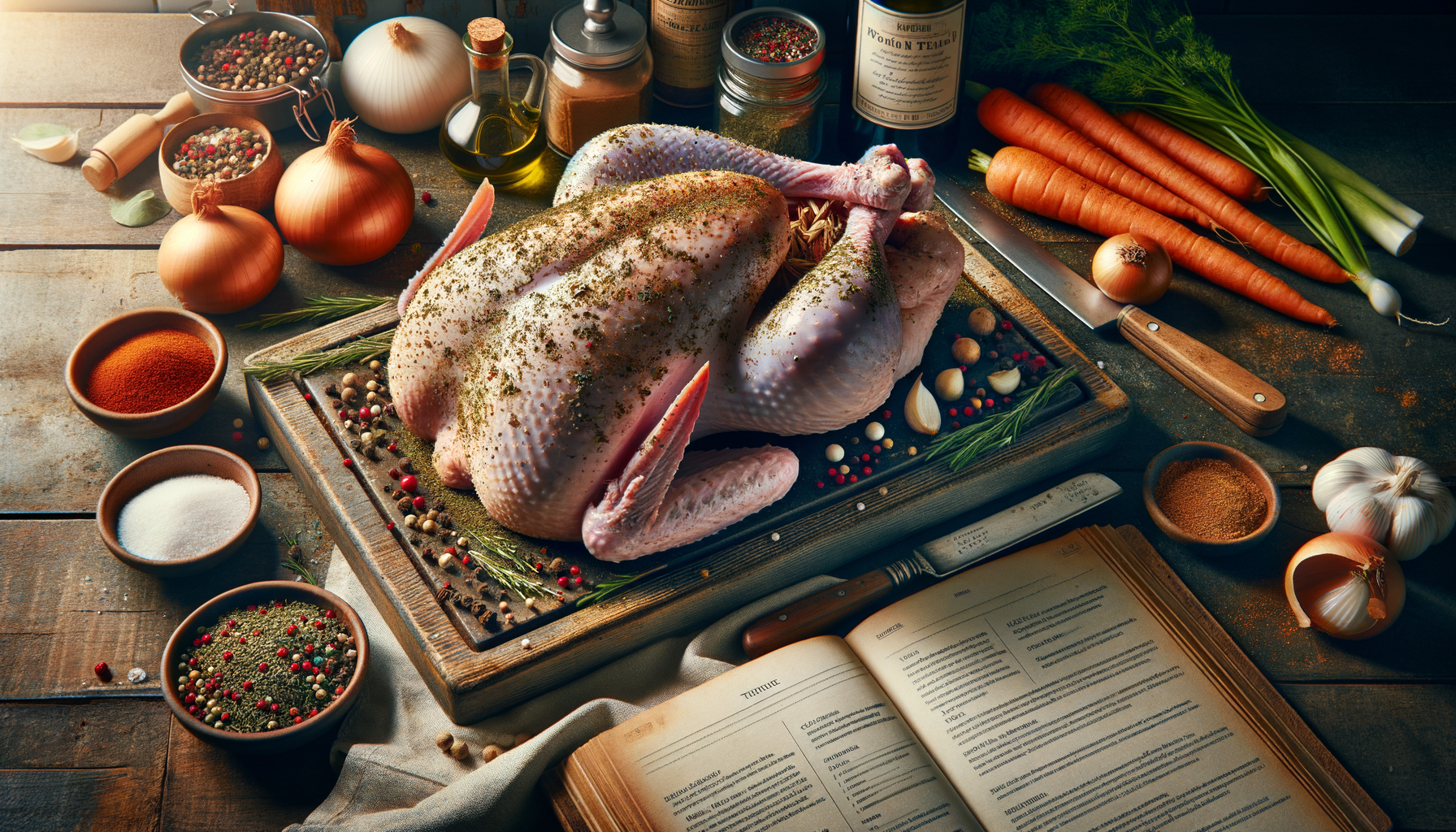
With my turkey prepped and seasoned, it’s time to turn my attention to the smoker. Preparing your smoker properly is vital for achieving consistent results. I prefer using a charcoal smoker because it allows me to control the temperature more effectively while imparting a wonderful smoky flavor.
Before placing my turkey inside, I make sure to preheat the smoker to around 225°F to 250°F—this low-and-slow approach is ideal for wild game turkey. While waiting for it to reach temperature, I soak my wood chips in water for about 30 minutes before adding them to the coals. This soaking process helps create more smoke rather than just burning up quickly.
The aroma wafting through the air as I prepare my smoker always fills me with excitement; it’s a reminder of the delicious meal that’s about to unfold.
Smoking the Wild Game Turkey
Once everything is set up and my smoker has reached the desired temperature, it’s time to place my turkey inside. I always use a drip pan beneath the bird to catch any juices that may escape during cooking; this not only prevents flare-ups but also creates a flavorful base for gravy later on. As I close the smoker lid, I can’t help but feel a sense of anticipation wash over me.
The smoking process typically takes about 4 to 6 hours depending on the size of the turkey; patience is key here! Throughout this time, I make sure to monitor both the temperature inside the smoker and the internal temperature of the turkey itself using a reliable meat thermometer. This ensures that my bird cooks evenly and reaches that perfect doneness without drying out.
Monitoring the Temperature and Cooking Time
Monitoring temperature is one of those critical aspects of smoking that can’t be overlooked. Wild turkeys are leaner than their domestic counterparts, which means they can dry out more easily if not cooked properly. My goal is always to reach an internal temperature of 165°F in the thickest part of the breast while keeping an eye on maintaining moisture throughout.
During this process, I often find myself checking in on my turkey every hour or so—lifting the lid just enough to peek inside without losing too much heat or smoke. If I notice that it’s cooking too quickly on one side, I’ll rotate it gently to ensure even cooking all around. This hands-on approach not only helps me achieve optimal results but also deepens my connection with the food I’m preparing.
Resting and Carving the Smoked Turkey
Once my wild game turkey reaches that perfect internal temperature, it’s time to take it out of the smoker and let it rest—a step that many people overlook but is absolutely essential for juicy meat. Resting allows the juices within the bird to redistribute throughout the meat rather than spilling out when carved. I usually let my turkey rest for at least 30 minutes under a loose tent of aluminum foil before carving into it.
This moment is filled with anticipation as I can already imagine how tender and flavorful each slice will be! When it’s finally time to carve, I take my time—using a sharp knife to slice against the grain ensures each piece is as tender as possible.
Serving Suggestions and Accompaniments
When it comes to serving my smoked wild game turkey, I love pairing it with seasonal sides that complement its rich flavor profile. A classic cranberry sauce adds a delightful tartness that balances out the smokiness beautifully. Additionally, roasted root vegetables or creamy mashed potatoes make excellent accompaniments that round out the meal.
I also enjoy creating a rustic platter featuring slices of smoked turkey alongside artisanal bread and homemade pickles—this not only looks beautiful but also invites guests to create their own bites with different flavor combinations. Sharing this meal with family and friends brings me immense joy; there’s something truly special about gathering around a table filled with food that has been lovingly prepared from start to finish.
Tips for Leftover Smoked Wild Game Turkey
If you’re lucky enough to have leftovers after your feast (which is often rare in my household), there are countless ways to enjoy them! One of my favorite methods is making smoked turkey sandwiches with fresh bread, avocado, and spicy mustard—simple yet incredibly satisfying. Another great option is using leftover turkey in soups or stews; its smoky flavor adds depth to any dish!
When storing leftovers, I recommend keeping them in an airtight container in the refrigerator for up to four days or freezing them for longer storage. Just be sure to label them so you can easily identify your delicious smoked wild game turkey when you’re ready for another culinary adventure! In conclusion, smoking wild game turkey is not just about cooking; it’s about embracing sustainability while celebrating nature’s bounty through flavorful meals shared with loved ones.
With careful selection, preparation techniques like brining and marinating, and attention to detail during smoking, you can create an unforgettable dish that showcases this remarkable bird’s unique qualities. So grab your gear and get ready for an adventure—both in hunting and in cooking!
If you’re looking to elevate your wild game turkey recipe, you might find inspiration in our article on the various cooking techniques for game meats. Check it out here: Critter Cookbook. This resource offers valuable tips and tricks that can enhance the flavors and textures of your wild turkey dish, ensuring a delicious meal that showcases the unique qualities of game meat.
Discover Our Best Venison Dishes
FAQs
What is wild game turkey?
Wild game turkey refers to wild turkeys that are hunted in their natural habitat, as opposed to domesticated turkeys raised on farms. They typically have a leaner meat and a more robust flavor.
How do you prepare wild game turkey for cooking?
Preparing wild game turkey usually involves cleaning and dressing the bird, removing feathers, and sometimes brining or marinating to enhance tenderness and flavor. Because wild turkey meat is leaner, careful preparation is important to avoid dryness.
What cooking methods are best for wild game turkey?
Common cooking methods for wild game turkey include roasting, smoking, grilling, and slow cooking. These methods help retain moisture and bring out the rich, natural flavors of the meat.
Do wild game turkey recipes require different seasoning than farm-raised turkey?
Yes, wild game turkey often benefits from stronger seasoning or marinades to complement its more intense flavor. Herbs, spices, and acidic ingredients like citrus or vinegar are commonly used.
Is wild game turkey healthier than farm-raised turkey?
Wild game turkey is generally leaner and may have a higher protein content with less fat compared to farm-raised turkey. It also tends to have fewer additives or preservatives.
Can you substitute wild game turkey in recipes designed for farm-raised turkey?
You can substitute wild game turkey in most recipes, but adjustments in cooking time and moisture management may be necessary due to the leaner meat and different texture.
How do you ensure wild game turkey stays moist during cooking?
To keep wild game turkey moist, consider brining the meat before cooking, using a marinade, cooking at lower temperatures, and avoiding overcooking. Basting and covering the meat can also help retain moisture.
Are there any safety considerations when cooking wild game turkey?
Yes, wild game turkey should be cooked to an internal temperature of at least 165°F (74°C) to ensure it is safe to eat. Proper handling and hygiene during preparation are also important to prevent contamination.
